Avoid hidden cleaning charges in Crystal Palace bookings
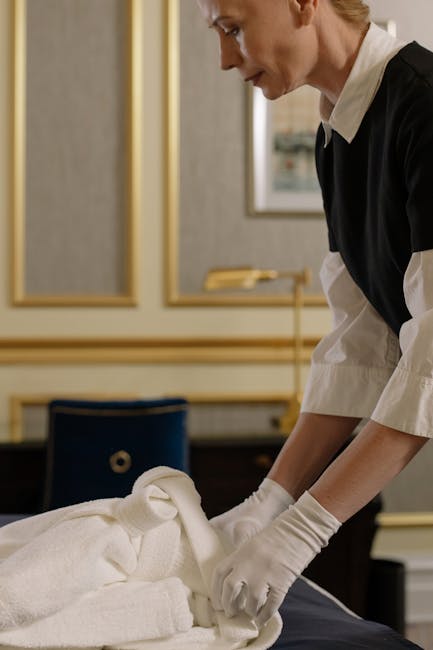
Booking a cleaner should feel straightforward, not like a small financial mystery. Yet hidden cleaning charges can creep into Crystal Palace bookings in ways that catch people out: an extra fee for parking, a surcharge for "heavy soiling", a minimum spend you did not notice, or a last-minute add-on for stairs, equipment, or weekend timing. If you have ever stared at a final invoice and thought, "Where did that come from?", you are definitely not alone.
This guide shows you how to spot those charges early, ask the right questions, compare quotes properly, and book with confidence. It is written for everyday household and business customers in Crystal Palace who want fair pricing, no drama, and no awkward surprises on the day. To be fair, that is not a big ask.
Why Avoid hidden cleaning charges in Crystal Palace bookings Matters
Cleaning services are often sold on trust. You invite someone into your home or workplace, hand over access, and expect the agreed price to be the price. When that breaks down, the damage is bigger than the money. It affects confidence, timing, and the whole feeling of the booking.
In Crystal Palace, where many properties are older, access can be a bit awkward, parking is not always simple, and homes often have a mix of room sizes, stairs, and delicate finishes, the chance of unexpected charges can rise if the quote is vague. A clear quote protects both sides. The customer knows what they are paying for, and the cleaning company knows what to expect on the day.
That matters even more for jobs that are sensitive to timing, such as end-of-tenancy work, post-renovation jobs, or a one-off deep clean before guests arrive. You do not want a cleaner arriving at 8:00 in the morning and then discovering the booking is "extra" because the kitchen is greasy or the oven needs attention. That is exactly the sort of thing that should be explained before anyone confirms.
Transparent pricing also makes it easier to compare providers fairly. One company may look cheaper at first glance, but if their quote does not include travel, equipment, stain treatment, or minimum hours, the final number can end up higher. Another provider may seem slightly more expensive but actually include everything you need. The headline price alone rarely tells the full story.
How Avoid hidden cleaning charges in Crystal Palace bookings Works
At its core, avoiding hidden charges is about turning vague pricing into specific pricing. You are not just asking "How much is a clean?" You are asking what is included, what is excluded, what can change the price, and how those changes are approved.
Most hidden charges appear in one of a few ways:
- Scope creep - the job becomes larger than the original quote covered.
- Condition-based add-ons - stains, grease, pet hair, mould, or heavy limescale trigger extras.
- Access or logistics fees - parking, long carrying distances, key collection, or late access.
- Timing charges - evenings, weekends, bank holidays, or urgent same-day visits.
- Minimum charges - a small job still gets billed at a higher base amount.
Sometimes the issue is not dishonesty. It is poor communication. A customer books a cleaner expecting a standard domestic clean, while the provider was mentally pricing a light tidy. That gap causes friction. The easiest fix is detail: the number of rooms, the type of flooring, the level of dirt, whether appliances need cleaning, and whether you want add-on services such as carpet cleaning, upholstery cleaning, or window cleaning.
In practice, a trustworthy cleaning company will explain pricing before the booking is finalised. If something changes on arrival, they should tell you first and give you a chance to agree. That is the line to look for. No surprise padding, no "while we were there" extras slipped in at the end.
Key Benefits and Practical Advantages
Getting pricing right is not only about saving money, although that is a big part of it. It also reduces stress and helps you choose the right service with less second-guessing.
- Budget control: You know the likely total before booking, so there is less financial wobble later.
- Better comparisons: You can compare like-for-like quotes instead of apples and oranges.
- Fewer disputes: Clear expectations mean fewer awkward conversations after the job.
- Better job matching: The right service can be selected from the start, whether that is a deep cleaning, end of tenancy cleaning, or regular domestic cleaning.
- Smoother scheduling: If access, parking, or equipment needs are clarified early, the visit usually runs better.
There is also a quiet confidence that comes from asking precise questions. You stop feeling like the customer who "should have known" and start acting like someone making a proper booking. That shift matters. It changes the whole tone of the interaction.
And if you are managing multiple spaces, the benefit is even clearer. A small office in Crystal Palace, for example, may need a different setup from a family flat. You might need office cleaning rather than a standard home visit, or perhaps a specialist oven cleaning add-on after a refurbishment. If the quote is detailed, you can plan with far more certainty.
Who This Is For and When It Makes Sense
This approach is useful for almost anyone booking cleaning in Crystal Palace, but a few groups should be especially careful.
Homeowners and tenants often need clarity because they are balancing cleaning against moving dates, family schedules, and deposit pressure. A vague quote for a move-out clean can become expensive very quickly if the property is larger or dirtier than expected.
Landlords and letting agents need consistent standards. If a property has been left in a poor state, the difference between a standard clean and a proper deep clean can be significant. You want the scope written clearly before work begins.
Busy professionals often book at short notice and can miss the fine print. Easy mistake, honestly. A rushed email quote may leave out important details, and then you end up paying extra because the cleaner assumed a different level of service.
Offices and small businesses should watch for minimum call-out fees, out-of-hours charges, and service area assumptions. A simple recurring visit can become less economical if the quote is not built properly. If the site has washrooms, shared kitchens, or reception areas, ask how those are priced.
Anyone booking specialist work such as one-off cleaning, after builders cleaning, or sofa cleaning should be especially cautious. Specialist jobs often require more time, the right equipment, or extra preparation, so the quote should explain that clearly.
When does it make sense to be strict about it? Pretty much every time, but especially when the job is big, time-sensitive, or dependent on a deposit, inventory, or handover. That is where hidden charges become most painful.
Step-by-Step Guidance
- Define the job properly. Write down what you want cleaned, how many rooms or items are involved, and anything unusual such as pet hair, heavy grease, or recent building dust.
- Ask for an itemised quote. A good quote should show what is included and where extras may apply. If it is just one vague figure, ask for more detail.
- Check the assumptions. Is the price based on property size, time spent, number of items, or condition? Different providers price in different ways.
- Confirm access details. Mention stairs, parking, entry codes, concierge arrangements, and whether someone will be there to let the team in.
- Clarify materials and equipment. Some jobs include equipment and detergents; some do not. It sounds small, but it can change the price.
- Ask about add-ons before booking. Things like oven degreasing, stain removal, mattress treatment, or carpet pre-treatment are often priced separately.
- Get approval for changes in writing. If the cleaner discovers something extra on the day, make sure any added cost is agreed before work continues.
- Read the terms carefully. The boring bit, yes, but this is where cancellation fees, late access fees, and minimum charges usually hide.
One small but useful habit: take photos before the visit if the job is complex. Not because you are preparing for a courtroom scene, just because pictures help both sides agree on the starting condition. A grubby carpet or a burnt-on oven tray is easier to discuss when everyone can see the same thing.
If you want to compare service standards and pricing policies in more detail, the company's pricing and quotes information is the natural place to start. For broader service questions and company background, about us can also help set expectations.
Expert Tips for Better Results
These are the practical habits that tend to make the biggest difference. Nothing fancy. Just the stuff that helps you avoid the annoying bits.
- Use precise language. Say "two-bedroom flat with hallway and one bathroom" rather than "small place".
- Separate regular cleaning from specialist tasks. A domestic visit is not the same as appliance or stain restoration work.
- Ask what triggers a surcharge. Some providers charge extra for limescale, hard water marks, pet odours, or excess clutter.
- Check whether VAT is included. You do not want a quote that looks good until tax is added.
- Be honest about condition. If the carpets are heavily marked, say so. It sounds obvious, but people understate this all the time.
- Keep communication in one place. Email or written message is better than a scattered mix of calls and texts.
Here is a small real-world observation: the cleanest bookings, so to speak, are the ones where the customer treats the quote like a mini brief. Not a novel. Just enough detail so nobody has to guess. Guessing is where the money leaks out.
If safety, insurance, or handling questions matter for your booking, it is worth reviewing the company's insurance and safety information and health and safety policy. Those pages do not just build trust; they also show that the service takes risk management seriously.
Common Mistakes to Avoid
Most hidden charges are avoidable, but only if you do not fall into the same handful of traps. We have all done it once. Sometimes twice. No judgement.
- Booking on headline price alone. The cheapest quote is not always cheapest once extras are added.
- Forgetting access costs. Parking in Crystal Palace can be awkward, especially around busier roads and tighter residential streets.
- Assuming "cleaning" means everything. It often does not include ovens, windows, inside cupboards, or appliance detailing unless stated.
- Not asking about minimum charges. A tiny job can still hit the minimum spend, which surprises people.
- Ignoring cancellation rules. If your plans change, fees may apply. Read that bit twice.
- Failing to mention difficult stains. If you know the sofa has a wine mark or the oven is baked on, say it upfront.
Another common mistake is mixing up cleaning with clearance or decluttering. If the property also needs bulky items removed, you may need a separate arrangement such as house clearance. That is not the same job, and it should not be priced as if it were.
And yes, people do occasionally assume a "full clean" includes every shiny surface in sight. Lovely idea. Not always how service scopes work, though.
Tools, Resources and Recommendations
You do not need a complex toolkit to protect yourself from hidden charges. A few simple things are enough.
- A written scope of work - even a short email summary is better than memory alone.
- A room-by-room checklist - especially useful for larger homes, rentals, or offices.
- Photos or a short video - helpful for tricky condition-based jobs.
- A comparison note - write down whether each provider includes equipment, detergents, and VAT.
- Payment method confirmation - check what is accepted and whether deposits are required, using the company's payment and security information if available.
When you need a broader sense of the business itself, page information such as cleaning company and cleaners can help you understand the service model and how the team positions its work.
If sustainability matters to you, it can also be useful to check the company's recycling and sustainability approach. This is not directly about hidden charges, but it tells you something about the provider's wider standards and habits.
Law, Compliance, Standards, or Best Practice
This is not legal advice, but there are some sensible UK consumer principles to keep in mind. A cleaner or cleaning company should not present pricing in a misleading way. In plain English, if a price looks fixed, customers should not later discover that the key parts were excluded without being made clear.
Best practice is simple:
- quotes should be clear and not misleading;
- any extras should be explained before they are charged;
- cancellation and rescheduling terms should be easy to find;
- work should match the agreed scope as closely as possible;
- payment terms should be transparent and secure.
For customers, that means keeping records. Save the email quote, note what was agreed, and check the final invoice before paying. If something looks wrong, raise it promptly and politely. Most decent providers will deal with genuine mistakes quickly. If they have a published complaints procedure, that is a helpful sign that they expect to handle issues properly.
It is also worth reviewing the company's terms and conditions and privacy policy before booking, especially if you are sharing access details or payment information. Small details, yes, but they matter.
Options, Methods, or Comparison Table
Different booking styles come with different risks. A quick comparison can help you decide what suits your situation.
| Booking method | How pricing is usually handled | Risk of hidden charges | Best for |
|---|---|---|---|
| Flat quote | One fixed price based on the agreed scope | Low, if exclusions are clearly listed | Standard domestic jobs and straightforward rooms |
| Hourly rate | Charged for time spent on site | Medium, if the job expands or access is poor | Flexible cleans and ongoing maintenance |
| Item-based quote | Priced per carpet, sofa, oven, or window | Medium, if condition-based extras apply | Specialist tasks like oven cleaning or upholstery work |
| Survey-led quote | Priced after inspection or detailed review | Low to medium, depending on how clear the report is | Larger properties, end-of-tenancy work, and complex jobs |
For many Crystal Palace customers, a flat quote is the easiest option because it creates a clear budget. That said, if the property is unusually cluttered, difficult to access, or needs several specialist services, a survey-led quote may actually be the safer choice. Less guesswork. Less nonsense later.
Case Study or Real-World Example
A common scenario goes like this. A tenant in Crystal Palace books a move-out clean for a two-bedroom flat. The initial quote seems fair, but it only covers standard surface cleaning. On the day, the cleaner finds an oven that needs heavy degreasing, carpets with visible pet hair, and a balcony door with hard water staining. Suddenly the price starts to rise.
Could the extra cost be justified? Possibly. But the problem is not the extra work itself. It is that the customer did not realise those items were outside the original scope. A better booking would have looked like this:
- the tenant described the oven, carpets, and balcony glass in advance;
- the provider quoted separately for each specialist task;
- any surcharge was confirmed before the booking;
- both sides knew the final price before the job began.
That is the difference between a stressful invoice and a smooth handover. In real life, the details are usually tiny. A greasy extractor fan. A hallway carpet with old marks. A first-floor flat with no lift. Little things, but they add up.
For a bigger domestic job, the same logic applies. A customer booking house cleaning may be fine with a standard visit, but if they also want internal windows, skirting boards, and oven work, those extras should be priced from the outset. That is how fair booking should work.
Practical Checklist
Use this before you confirm any cleaner in Crystal Palace. It takes a few minutes and can save a lot of hassle later.
- Have I described the job clearly and honestly?
- Is the quote itemised or at least broken down by service?
- Do I know what is included and excluded?
- Have I asked about parking, access, and stair carry fees?
- Are materials, equipment, and detergents included?
- Do I understand cancellation, rescheduling, and minimum charge terms?
- Have I mentioned stains, grease, pet hair, mould, or builder dust?
- Are extra services such as carpets, sofas, windows, or ovens listed separately if needed?
- Have I saved the quote or message in writing?
- Do I know who to contact if something changes on the day?
If you can tick most of those boxes, you are in a much stronger position. Simple as that.
Conclusion
Hidden cleaning charges are rarely mysterious once you know where to look. They usually come from vague scopes, unclear assumptions, and missing details rather than anything complicated. The good news is that you can prevent most of them with a clear brief, a written quote, and a few direct questions before you book.
For Crystal Palace customers, that means thinking beyond the headline price and focusing on what is actually included. A fair quote should make sense before the cleaner arrives, not after the invoice lands. If you stay precise, ask calmly, and keep things in writing, you will usually get a far better experience.
Get a free quote today and see how much you can save.
And honestly, there is something reassuring about that kind of booking. No guessing, no surprise add-ons, just a clean job priced in a way that makes sense. Nice, really.
Frequently Asked Questions
What counts as a hidden cleaning charge?
A hidden cleaning charge is any extra fee that was not clearly explained before the booking was confirmed. That could include parking, heavy soiling, added rooms, urgent timing, equipment, or special treatments.
How do I stop hidden charges before I book?
Ask for an itemised quote, confirm what is included, and mention anything unusual about the property. If the job involves carpets, upholstery, ovens, or windows, ask whether those are priced separately.
Why are some Crystal Palace bookings more expensive than expected?
Older buildings, limited parking, stairs, access issues, and specialist cleaning needs can all affect the price. The key is whether those factors were explained upfront.
Should a quote include cleaning materials and equipment?
It should say clearly whether they are included. Some providers bring everything; others charge extra for certain products or specialist equipment.
Is a flat-rate quote better than hourly pricing?
Not always, but flat-rate quotes are often easier to understand and compare. Hourly pricing can work well for flexible jobs, but it needs clear expectations to avoid confusion.
What should I ask about parking and access?
Ask whether parking costs are included, whether the team needs a permit or visitor space, and whether there are any charges for stairs, long carries, or difficult access.
Can extra charges be added after the job starts?
Only if they were properly explained and agreed. If the cleaner discovers extra work on the day, you should be told before the price changes.
Are specialist jobs like oven or carpet cleaning more likely to have add-ons?
Yes, because they often depend on condition, treatment time, and equipment. It is sensible to ask for separate pricing for specialist services such as carpet cleaning or oven cleaning.
What if the final invoice does not match the quote?
Check the written agreement first, then raise the issue promptly. If the provider has a complaints procedure, use it. Keeping the original quote makes this much easier.
Do commercial cleaning bookings need the same checks?
Absolutely. Offices, shops, and shared spaces can also pick up extra charges for out-of-hours work, access, or special tasks. A clear scope matters just as much in business settings.
What is the safest way to compare two cleaning quotes?
Compare the included tasks, exclusions, timing, equipment, cancellation rules, and any potential add-ons. The cheapest headline price is not always the best value if key items are missing.
Where can I check a company's pricing approach before booking?
Look for its pricing page, service pages, terms, and safety information. For example, a company's pricing and quotes page is usually the best place to start, followed by the relevant service pages if your booking needs specialist work.