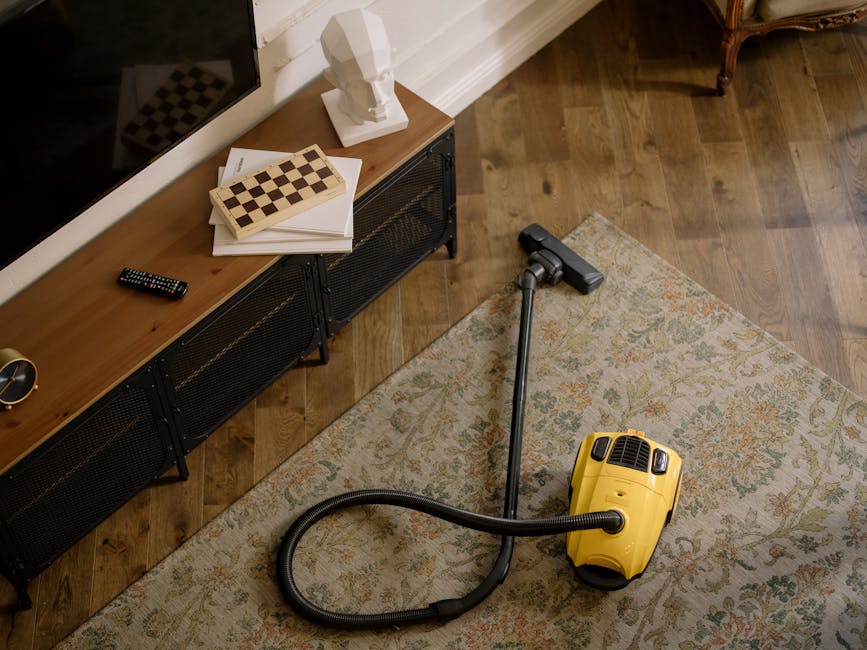
Carpet cleaning Crystal Palace Park for busy households
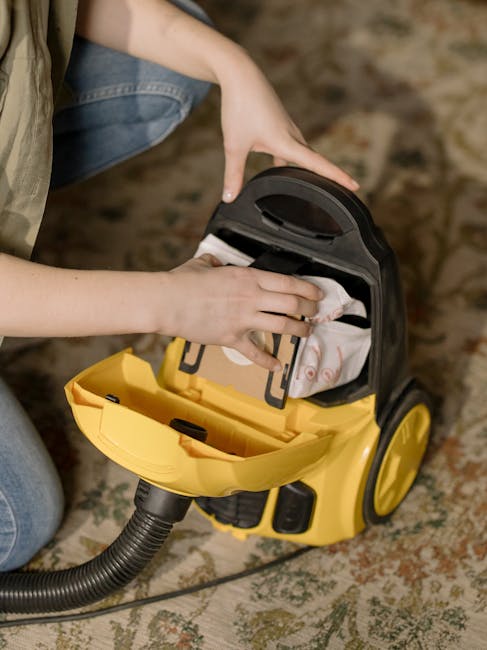
If you are juggling school runs, work calls, muddy shoes, pets, and the odd spilt breakfast cereal, carpet care can slip down the list fast. That is exactly why Carpet cleaning Crystal Palace Park for busy households matters: it helps you keep the home looking, smelling, and feeling clean without turning your week upside down. And truth be told, the carpets usually show the pressure first.
This guide explains what professional carpet cleaning involves, how it fits into real family life, what to expect on the day, and how to avoid the little mistakes that make carpets dirtier again sooner. You will also find practical checklists, a method comparison table, and a few sensible pointers for choosing the right cleaning approach when time is tight.
Why Carpet cleaning Crystal Palace Park for busy households Matters
Busy homes collect more than dust. They pick up foot traffic from hallways, crumbs under the table, damp from coats and shoes, pet hair, food stains, and that slightly stale smell you only notice when the heating comes on. In a place like Crystal Palace Park, where family routines can be full on and the weather can switch from bright to drizzly in the space of an hour, carpets take a fair bit of punishment.
Regular cleaning is not just about appearance. It helps maintain the fibres, slows down wear in high-traffic areas, and can reduce the build-up of dirt that gets ground deeper into the pile over time. Once that happens, the carpet can start looking flat and tired long before its actual age should show. Nobody wants to replace a carpet early if a sensible cleaning schedule would have kept it going.
For households with children, pets, or allergy concerns, carpet hygiene becomes even more relevant. Carpets hold onto fine particles, and while a weekly vacuum helps, it does not remove everything that has settled below the surface. That is where a deeper clean earns its keep. In practical terms, it gives you a fresher base to live on, especially if your home never really has a quiet day.
There is also the simple emotional bit. A cleaner carpet makes the whole room feel calmer. You notice it when you walk in after a long day and the room does not smell of yesterday's dinner or this morning's muddy trainer run. Small thing, maybe. But it matters.
Expert summary: For busy households, the smartest carpet care is the one that fits real life: quick routine maintenance, planned deep cleans, and targeted treatment for spills before they become permanent.
If you are already looking at broader home cleaning support, it can help to combine carpet care with domestic cleaning or a more occasional one-off cleaning visit so the load feels lighter overall.
How Carpet cleaning Crystal Palace Park for busy households Works
Professional carpet cleaning usually starts with inspection. A good cleaner checks the fibre type, stain history, traffic areas, and any delicate patches or previous damage. That matters because wool, synthetic blends, and natural fibres do not all react the same way. A treatment that works brilliantly on one carpet can be too aggressive on another. A bit annoying, yes, but necessary.
After inspection, the cleaner normally vacuums thoroughly, pre-treats visible spots, and chooses an appropriate method. The most common methods are hot water extraction and low-moisture cleaning. Hot water extraction, often called steam cleaning in everyday conversation, uses heated water and cleaning solution to loosen dirt before extracting it. Low-moisture methods use less water and can be useful when faster drying is a priority.
For busy homes, drying time is a big deal. There is no point in improving the carpet if everyone then has to tiptoe around it for the rest of the day. So a sensible service should explain realistic drying times, room-by-room access, and any ventilation advice. Good airflow, opened windows where practical, and moving light furniture can all help.
Stain treatment is where experience shows. Food spills, tracked-in mud, drink marks, pet accidents, and oily residue all behave differently. A stain that looks dramatic may lift well; another that seems minor may have already bonded with the fibres. That is why a skilled cleaner does not promise miracles on every single mark. Honest expectations are a good sign.
If you are comparing carpet care with other deep-clean tasks, it is worth seeing how it fits alongside deep cleaning or even house cleaning so the rest of the home gets attention in the same rhythm.
Key Benefits and Practical Advantages
The obvious benefit is a cleaner carpet. But the real value for busy households goes wider than that.
- Less visible dirt in high-traffic rooms. Hallways, living rooms, and stairs usually look fresher for longer.
- Better day-to-day comfort. Clean fibres feel softer underfoot, and that makes a home feel more looked after.
- Improved stain management. Quick professional treatment can stop old spills from becoming permanent shadows.
- More manageable family routines. When carpets are clean, it is easier to keep up the rest of the house without feeling behind.
- Better presentation for visitors or landlords. Even if you do not host often, a clean carpet changes the whole tone of a room.
- Potentially longer carpet life. Removing ground-in grit helps reduce wear on the pile.
There is a practical side to the time saving as well. If the cleaning is planned properly, you can often move furniture once, sort the rooms in one go, and get back to normal faster than you would with repeated DIY attempts. And let's face it, DIY carpet cleaning has a habit of turning into a whole Sunday.
For families with mixed flooring throughout the property, it can be useful to pair carpet care with hard floor cleaning. That keeps the whole home feeling consistent rather than half fresh, half forgotten.
Who This Is For and When It Makes Sense
This kind of carpet cleaning suits a wide range of households, but it is especially useful if your home has any of the following:
- children who snack on the move, as children do
- pets that shed hair or come in after wet walks
- shared family living areas with heavy foot traffic
- dust or allergy concerns
- light-coloured carpets that show marks quickly
- rented homes where presentation matters
- rooms that feel dull, flat, or musty even after vacuuming
It also makes sense after seasonal changes. Autumn and winter are classic times for more dirt, moisture, and grit to come indoors. Spring can be a good reset point too. If your household is constantly in motion, you may not need carpet cleaning every time the calendar says so, but it helps to plan around the moments that actually create mess.
Sometimes the need is obvious. A pet accident, a food spill, or a hallway that has turned grey along the traffic line is usually enough. Other times it is subtler: a carpet that no longer smells quite right, or a living room that looks a little tired even when everything else is tidy. That is often the point where a professional clean earns its keep.
For busy landlords or property managers, combining carpet care with end of tenancy cleaning can save a lot of back-and-forth before handover.
Step-by-Step Guidance
If you want the process to go smoothly, a little preparation goes a long way. Here is a practical way to approach it.
- Walk through the rooms first. Identify stains, damaged patches, furniture that needs moving, and any areas the cleaner should treat with extra care.
- Vacuum properly. Even if the service includes vacuuming, a quick pre-vacuum helps remove loose grit and makes treatment more effective.
- Point out problem spots. Old coffee marks, pet areas, and stair edges are easy to miss unless you mention them. It sounds obvious, but it helps.
- Clear small items. Toys, cables, laundry baskets, and loose rugs can slow things down. The cleaner does not need a treasure hunt.
- Ask about the method. Check whether the service is using hot water extraction, dry cleaning, or a low-moisture method, and ask about drying time.
- Allow airflow after cleaning. Open windows where practical and keep foot traffic light until the carpet is dry.
- Protect the clean result. Use door mats, remove shoes in key areas, and deal with future spills quickly.
If you also need furniture refreshed at the same time, it is often sensible to arrange upholstery cleaning or sofa cleaning. That way the room feels properly reset rather than half-done.
Expert Tips for Better Results
A few small choices can make a big difference to the result.
Choose timing carefully. If possible, book the clean for a day when the household can avoid the treated rooms for a few hours. That sounds simple, but it reduces stress more than people expect. A less frantic morning means a better result, honestly.
Do not overwrite stains. Rubbing a mark harder usually pushes it deeper. Blot first, then leave the proper treatment to the cleaner if you are unsure. A damp cloth and patience often beat enthusiasm.
Keep a small spill kit. Mild detergent, white cloths, and a simple rule about blotting rather than scrubbing can save a lot of grief. The first two minutes after a spill matter more than most people think.
Ask about fibre protection. If the cleaner offers advice on protecting high-traffic areas, listen. Rugs at entrances and protective mats in hallways can really help.
Be honest about stains and odours. If there has been a pet accident or a bleach mishap, say so. Full information leads to better treatment choices.
Think in zones, not whole house panic. Hallway, stairs, and lounge tend to be the priority. Bedrooms may need less frequent attention. That is a practical way to keep on top of things without overdoing it.
If you are already organising broader home support, a trusted cleaning company can coordinate carpet care with the rest of the property more efficiently than piecing everything together yourself.
Common Mistakes to Avoid
There are a few classic errors that crop up again and again.
- Leaving stains too long. Fresh spills are easier to treat than old ones. Time really matters here.
- Using too much water in DIY cleaning. Over-wetting can leave carpets damp for too long and may cause odours.
- Ignoring the fibre type. Wool and synthetics need different handling. Guessing is not a strategy.
- Cleaning only the visible mark. Often the surrounding area needs treatment too, or you end up with a faint ring.
- Booking without checking drying time. This is a big one for busy homes. If everyone needs the room that evening, plan differently.
- Skipping regular vacuuming between deep cleans. Deep cleaning works much better when daily grit is already under control.
Another common mistake is expecting every stain to disappear completely. Some marks fade dramatically, some only partly, and a few are permanent. That is not a failure; it is simply how textiles behave. Better to know that upfront than be disappointed later.
Tools, Resources and Recommendations
You do not need a cupboard full of gadgets to keep carpets in decent shape. In fact, that can become a bit much. The basics are usually enough.
- A reliable vacuum cleaner with adjustable settings for different pile heights.
- Microfibre cloths for blotting fresh spills.
- White towels or absorbent cloths so dye transfer does not make the problem worse.
- Entrance mats to catch grit before it travels through the house.
- Simple stain notes on your phone, especially if you live in a busy family home and forget what happened where. Happens all the time.
It can also help to think beyond carpets. If the home is already due for other jobs, services such as oven cleaning or window cleaning can make the house feel cleaner overall with less repeated disruption.
For homes with many competing demands, a cleaner that can handle carpet cleaning alongside other domestic tasks can be easier to manage than booking separate visits from several providers.
Law, Compliance, Standards and Best Practice
For household carpet cleaning, the main compliance issues are usually practical rather than dramatic. In the UK, a reputable cleaning provider should operate safely, communicate clearly, and use appropriate products for the surfaces being treated. If a service handles cleaning solutions, equipment, or access to your home, it should also have sensible insurance and safety arrangements in place.
Good practice also means being clear about what is and is not included. For example, moving heavy furniture, treating severe stains, or dealing with damaged fibres may need extra discussion. Clear terms avoid misunderstandings, especially when household routines are already hectic.
From a best-practice point of view, the cleaner should:
- identify fibre type and likely risks before starting
- use suitable methods for the carpet condition
- avoid unnecessary over-wetting
- explain realistic drying times
- handle products and equipment safely around children and pets
- provide straightforward payment and service information
It is also reasonable to ask about policies covering safety, insurance, payment, privacy, and complaints. Those details may sound unglamorous, but they matter when you are inviting someone into a busy home. If you want to understand how a provider approaches these areas, it is worth reviewing pages such as insurance and safety, health and safety policy, payment and security, and terms and conditions.
If sustainability matters to you, check whether the company explains its approach to waste, product use, and greener working habits in a plain, practical way. That tends to be a good sign, even if the details are modest rather than flashy.
Options, Methods and Comparison Table
Different carpet-cleaning methods suit different homes. For busy households, the best option is usually the one that balances cleanliness, drying time, and disruption.
| Method | Best for | Pros | Watch out for |
|---|---|---|---|
| Hot water extraction | General deep cleaning, marked carpets, family homes | Strong soil removal, good for embedded dirt, widely used | Longer drying time if ventilation is poor |
| Low-moisture cleaning | Homes needing quicker turnaround | Faster drying, less disruption | May not suit every stain or fibre type |
| Dry compound cleaning | Light refreshes, certain delicate situations | Minimal moisture, useful in some cases | Not always as effective on heavy soiling |
| Spot treatment only | Small, isolated marks | Quick and targeted | Does not address overall dirt build-up |
For most busy households, a full-room clean is better than chasing isolated marks every few weeks. The room looks more even, the smell improves, and the result lasts longer. Spot cleaning still has its place, of course, but it is more of a patch than a solution.
Case Study or Real-World Example
Here is a realistic example from a typical busy household scenario. A family with two school-age children, a dog, and a light-coloured living room carpet had been keeping up with vacuuming, but the centre of the room looked dull and the stair edges had gone grey. There were also a few small drink marks from a birthday weekend. Nothing dramatic, just that steady wear that sneaks up on you.
The cleaner first inspected the carpet, then identified the traffic areas and treated the stains before using a deep-clean method suitable for the fibre. The family had already moved small items out of the way, which saved time. Windows were opened afterwards, and the room was left to dry with light foot traffic only. By the next day, the carpet looked brighter and felt softer underfoot. Not brand new, because carpets are still carpets, but much fresher and more manageable.
What made the biggest difference was not one miracle product. It was the planning. The family chose a time that did not collide with dinner, homework, or a school drop-off. That sounds minor, but in a busy house it is the difference between a smooth job and a stressful one.
If the property also needs more than carpets, pairing the visit with professional cleaners or home cleaners can create a much better overall reset.
Practical Checklist
Use this before and after the clean to keep everything simple.
- Identify the rooms that need the most attention.
- Note any stains, pet accidents, or high-traffic spots.
- Move small furniture, toys, and loose items out of the way.
- Confirm the cleaning method and likely drying time.
- Make sure children and pets can stay clear during the process.
- Open windows or improve airflow if practical.
- Blot any new spills quickly instead of rubbing them.
- Use mats at entrances after the clean to reduce tracked-in dirt.
- Vacuum regularly to keep grit from settling back in.
- Book the next clean before the carpets reach the point of looking tired again.
That last one is easy to forget. Busy homes are like that. If you wait until everything looks awful, the whole task feels bigger than it really is.
Conclusion
For busy households, carpet care is not about chasing perfection. It is about keeping the home comfortable, healthy-feeling, and easier to live in. A sensible carpet cleaning plan in Crystal Palace Park can cut down on visible dirt, improve day-to-day comfort, and make your rooms feel more under control without demanding too much of your time.
The best results usually come from a simple mix: routine vacuuming, quick spill response, occasional professional deep cleaning, and a few practical habits that stop dirt coming back too quickly. Nothing fancy. Just steady, realistic care that fits the way your household actually works.
If you want a cleaner home without adding more stress to your week, the next step is straightforward.
Get a free quote today and see how much you can save.
And if you are trying to keep life moving while the carpets quietly do their job in the background, that is completely fair. A fresher home makes the rest of the week feel easier, one room at a time.
Frequently Asked Questions
How often should busy households book carpet cleaning?
For many busy households, a professional clean once or twice a year is a practical starting point, with more frequent attention for hallways, stairs, or homes with pets and children. Heavy-use homes may need it more often, especially if stains or odours build up.
Will carpet cleaning take the whole day?
Not usually. The actual cleaning time depends on the size of the property and the method used, but most jobs are manageable within a normal day. Drying time is often the bigger factor, so good airflow and sensible scheduling help a lot.
Is steam cleaning safe for all carpets?
No single method suits every carpet. Hot water extraction works well for many fibres, but delicate or moisture-sensitive carpets may need a different approach. A proper inspection before cleaning is the safest way to avoid damage.
Can carpet cleaning remove old stains?
Sometimes yes, sometimes partly, and sometimes not completely. Fresh stains are generally easier to remove than old ones. A skilled cleaner can often improve the appearance significantly, even if a mark does not vanish entirely.
What is the best carpet cleaning method for families?
For many families, hot water extraction is a strong all-round option because it removes embedded dirt well. If faster drying is the top priority, a low-moisture method may be better. The right choice depends on the carpet and the household routine.
Do I need to vacuum before the cleaner arrives?
It helps, yes. A quick vacuum removes loose grit and hair, which allows the deeper clean to focus on soil trapped in the fibres. If you are short on time, even a light vacuum is better than none at all.
How do I prepare a busy home for carpet cleaning?
Clear small objects, move lightweight furniture if requested, point out stains, and plan for a few hours of reduced access. That small bit of preparation usually makes the whole visit smoother and faster.
Will carpet cleaning help with pet smells?
It often helps a great deal, especially if the odour is coming from embedded dirt or a recent accident. Older or deeper smells may need targeted treatment. Being honest about the cause gives the cleaner a better chance of dealing with it properly.
Are there any risks with DIY carpet cleaning machines?
Yes. The most common issues are over-wetting, leaving residue behind, and not extracting enough moisture. Those problems can lead to longer drying times or recurring marks. DIY can work for light touch-ups, but it is not always the safest choice for more delicate carpets.
Can carpet cleaning be combined with other home services?
Absolutely. Busy households often benefit from combining carpet work with services such as sofa cleaning, rug cleaning, or window cleaning so the home gets a more complete refresh in one go.
What should I ask before booking a cleaner?
Ask about the cleaning method, drying time, what is included, how stains are treated, and whether they have suitable safety and insurance arrangements. Clear answers are usually a good sign that the service is organised and trustworthy.
Why does my carpet look dirty again so quickly?
Usually it is a mix of foot traffic, grit, and everyday spill residue settling back into the fibres. If the carpet was not cleaned deeply enough or if heavy traffic resumed too quickly, it can look tired again sooner than expected. Mats, regular vacuuming, and planned maintenance help a lot.